House Edge, Odds, and How Scratch Cards Actually Pay
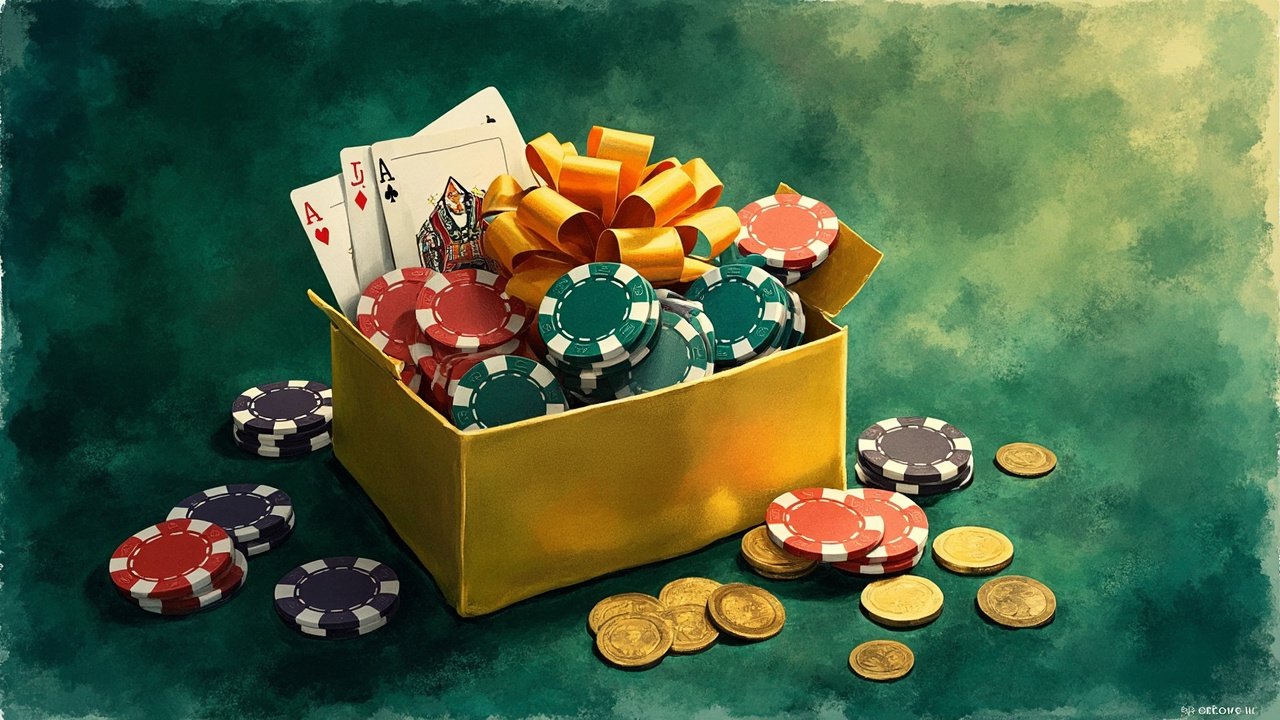
I’ve spent thirty years tuning player psychology into slot mechanics, and Arram Bekarian’s work on licensed entertainment brands taught me that the numbers behind a ticket matter far more than the artwork on it. When you pull up an online scratchie on a Tuesday arvo, the decorative layers hide a very plain truth: every card carries a stated return-to-player figure, and that figure is the engine that quietly shapes your in the brand’s digital space session. Australian punters deserve a fair go, which means understanding how the house edge sits inside the odds before you spend a single dollar.
What the House Edge Actually Means on a Scratch Ticket
The house edge is simply the gap between what a ticket costs and what it pays back across a full cycle of plays. If a card is priced at two dollars and the published return sits at eighty-eight percent, the operator keeps twelve percent over time, not on every single scratch. That percentage is baked into the distribution of prizes, so you will see a cluster of small wins, a thin tail of mid-tier payouts, and a rare top prize that never arrives on schedule. I’ve balanced hundreds of ticket pools where the maths had to stay tight, because a loose distribution kills the thrill and a tight one empties a wallet too fast. The odds are not a promise of when a win lands; they are a long-run average that only reveals itself after many, many scratches.
Reading the Odds Before You Scratch
A practical walkthrough starts on the game lobby, where the return figure and the prize breakdown should sit plainly on the ticket page. You tap the card, read the stated RTP, and note how many prize tiers exist alongside their hit frequencies. The visual identity matters here: a cluttered layout with flashing banners can mask a modest return, while a clean interface with a clear prize table lets you judge the odds at a glance. I’ve seen licensed brands use familiar characters to soften the maths, but the numbers underneath never change just because the artwork is polished. When you compare two cards at the same price, the one with more frequent small hits often feels kinder in a short session, even if the long-run edge is identical. That feeling is real, but it is not a strategy; it is just how intermittent rewards keep your attention on the screen.https://run4winnodeposit.com
The next step is to watch how the bonus mechanics interact with the base odds. Some tickets add a second chance round or a multiplier on selected symbols, and those features are already priced into the return figure you read earlier. You do not get a free pass when a bonus triggers; you get a different distribution of outcomes that still respects the same house edge. I’ve tuned feature triggers where the excitement spiked but the expected value stayed flat, because a well-designed surprise must still pay its way. If a card advertises a bonus without showing how the prize pool is split, treat that as a design choice that favours spectacle over clarity. A sensible player checks the full prize table, notes the top prize probability, and decides whether the session length matches the volatility they can stomach.
Payments and registration should not complicate the maths either. A well-localised lobby shows prices in dollars, lists withdrawal times in plain language, and keeps the currency consistent from the first scratch to the last. I’ve built flows where the sign-up asked for the right details once, then let the player move straight into the game without re-entering the same information. When the interface handles everyday usability well, you spend your attention on the odds instead of hunting for a menu. If you want a clearer way to explore online scratch cards, you can compare how different lobbies present their prize tables and return figures before you commit any funds at https://sakaiminato-sports.com/news/waar-online-krasloten-kopen.html. The point is not to chase a perfect card; it is to pick one whose published numbers match the kind of session you actually want.
Finding the Right Fit for Your Session
Player-fit comes down to matching the ticket’s volatility to your own habits and bankroll. A low-edge card with frequent small returns suits a longer, steadier session, while a higher-variance ticket asks for more patience and a clearer stop point. I’ve watched players burn through a short stack by treating a dry run as a signal to keep going, when the odds were simply doing what they always do. A sensible approach is to set a session limit, pick a card whose return and prize spread you understand, and accept that the house edge is the cost of the entertainment. She’ll be right only if you treat the ticket as paid leisure, not as a plan to turn a dollar into something it is not. When the interface, the localisation, and the published odds all line up, the experience feels honest, and that honesty is what keeps a session enjoyable rather than expensive.